Introduction: The Importance of Liability Insurance in the UK
Liability insurance is a cornerstone of risk management for both businesses and individuals across Britain. In a society where claims culture is on the rise and legal obligations are strictly enforced, having the right type of liability cover can mean the difference between staying afloat or facing financial ruin after an accident or incident. Whether you’re running a small café in Manchester, managing a construction firm in London, or even organising a local community event in Birmingham, understanding your insurance responsibilities is essential. In the UK, two major types of liability insurance—Public Liability and Employer’s Liability—frequently come up in conversations about business protection. Each serves a distinct purpose and addresses different risks and legal requirements. Before diving into their specific differences, it’s crucial to grasp why liability insurance matters so much in the British context. Put simply, it helps safeguard against unexpected costs arising from claims of injury or property damage, offering peace of mind and ensuring compliance with UK law where required. This article will guide you through the essentials, setting the scene for a deeper look at what sets Public Liability apart from Employer’s Liability Insurance.
2. What is Public Liability Insurance?
Public Liability Insurance is a type of business insurance designed to protect companies and self-employed individuals in the UK against claims made by members of the public for injuries or property damage that happen as a result of their business activities. In simple terms, it covers you if someone is hurt or their property is damaged because of your business, whether you’re running a high street shop in Manchester or offering services at events in London.
Definition
Public liability insurance provides financial cover for legal costs and compensation payments if your business is found legally responsible for causing injury or damage to a third party (someone who isn’t your employee). This means customers, visitors, clients, or even passers-by who might be affected by your work are covered under this policy.
Scope of Cover
| Aspect | Description |
|---|---|
| Bodily Injury | Covers claims from non-employees injured on your premises or due to your activities (e.g., customer trips over loose carpet in your café). |
| Property Damage | Covers accidental damage to someone else’s property caused by your business operations (e.g., spilling paint on a client’s carpet during decorating work). |
| Legal Costs | Pays for legal fees and court expenses when defending or settling claims. |
| Compensation Payouts | Covers the cost of compensation awarded to the claimant, up to the policy limit. |
Common British Scenarios Where Public Liability Insurance is Relevant
- Customer Injuries: A customer slips on a wet floor in a shop and breaks an arm. The shop owner’s public liability insurance would handle any compensation claim.
- Damage at Client Sites: A plumber accidentally floods a client’s kitchen while fixing pipes. The insurer covers repair costs.
- Event Cover: At a village fete, a market stall collapses and injures a visitor. The organiser’s public liability policy responds.
- Tradespeople Accidents: An electrician drops a tool from scaffolding onto a parked car below. The policy pays for repairs.
A Simple Analogy
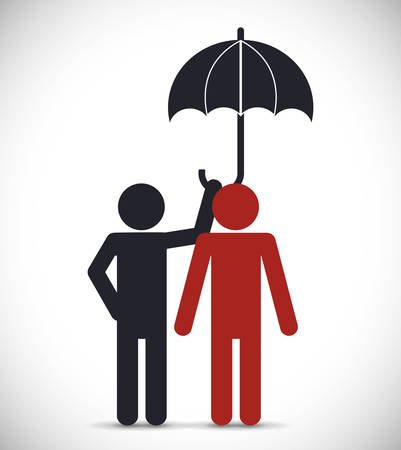
If you think of public liability insurance as an umbrella, it shields your business from the financial downpour that can come if someone outside your company gets hurt or has their belongings damaged because of what you do—especially important in Britain where “where there’s blame, there’s a claim” often rings true!
3. What is Employer’s Liability Insurance?
Definition
Employer’s Liability Insurance (often called “EL insurance” in the UK) is a type of business insurance that specifically covers employers against claims made by employees who suffer injury or illness due to their work. In simple terms, if an employee gets hurt or becomes unwell because of something related to their job, this insurance helps cover the legal and compensation costs.
Legal Requirements in the UK
Unlike public liability insurance, employer’s liability insurance is not optional for most businesses in Britain. Under the Employer’s Liability (Compulsory Insurance) Act 1969, any business with one or more employees (even part-timers or temps) must have at least £5 million of EL insurance from an authorised insurer. The law is strictly enforced—if you don’t have it, you could be fined £2,500 for every day you’re uninsured. Even if your staff are family members or volunteers, there are only limited exemptions, so most employers need to comply.
Typical Cases Covered
This insurance covers a wide range of incidents where an employee blames their employer for harm suffered at work. Typical cases include:
- An office worker develops repetitive strain injury (RSI) due to poor workstation setup.
- A warehouse operative slips on a wet floor and breaks a leg.
- An engineer suffers hearing loss from prolonged exposure to loud machinery without proper ear protection.
In all these scenarios, EL insurance pays out legal fees and compensation if the employer is found liable. In essence, it protects your business from the financial fallout of workplace accidents and illnesses—something that’s not just best practice but a legal must-have in the UK.
4. Key Differences Between Public and Employer’s Liability Insurance
Understanding the distinctions between Public Liability Insurance (PLI) and Employer’s Liability Insurance (ELI) is essential for businesses operating in the UK. Below is a direct comparison of the main points, focusing on who is covered, legal obligations, types of claims, and premium considerations within a British context.
Who Is Covered?
| Aspect | Public Liability Insurance | Employer’s Liability Insurance |
|---|---|---|
| Who is protected? | Covers claims made by third parties (e.g., customers, visitors, members of the public) | Covers claims made by employees (including temporary staff and contractors) |
| Typical scenarios | Customer slips in your shop or property damage caused during work at a client’s premises | Employee injured while working or develops an occupational illness |
Legal Obligations
Public Liability Insurance: Not legally required in the UK for most businesses, but often requested by clients or to access certain premises and contracts.
Employer’s Liability Insurance: A legal requirement for nearly all businesses employing staff in the UK under the Employers’ Liability (Compulsory Insurance) Act 1969. Minimum cover of £5 million is mandated.
Types of Claims
| Type of Claim | PLI Example | ELI Example |
|---|---|---|
| Bodily injury | A customer trips over a loose cable at your event and injures themselves | An employee suffers a back injury lifting heavy stock without proper training |
| Property damage | You accidentally damage a client’s expensive equipment during installation | (Generally not covered—ELI focuses on injury or illness to employees) |
| Illness/disease | A visitor falls ill after coming into contact with hazardous materials on your premises | An employee develops repetitive strain injury from poor workstation setup |
Premium Considerations in the UK Context
- PLI premiums: Determined by business type, public interaction level, turnover, and previous claims history. Retailers, tradespeople, and hospitality sectors typically see higher rates due to increased public exposure.
- ELI premiums: Influenced by number of employees, nature of work (e.g., construction vs. office roles), health and safety record, and past claims. Businesses with riskier operations or poor safety records will pay more.
- Combined policies: Many UK insurers offer package policies that include both PLI and ELI for convenience and potential cost savings.
The Bottom Line: Why Both Matter in Britain
While Public Liability Insurance protects against claims from third parties like customers and members of the public, Employer’s Liability Insurance safeguards your business if an employee gets injured or ill due to work. In the UK context, ELI is not just best practice—it’s a legal obligation for most employers. Understanding these differences ensures you stay compliant and properly protected against unexpected events.
5. Why Are Both Insurances Important for UK Businesses?
Every UK business, regardless of size or sector, faces certain risks simply by operating day-to-day. Whether you’re running a small café in Manchester or a construction firm in London, the potential for accidents, injuries, or property damage is always present. Here’s why having both Public Liability Insurance and Employer’s Liability Insurance is crucial—and what could go wrong without them.
Risks Faced by British Businesses
Public Liability Insurance protects your business if a member of the public—such as a customer, supplier, or passer-by—is injured or their property is damaged because of your business activities. For example, if someone slips on a wet floor in your shop and breaks their arm, you could face legal claims and compensation costs.
Employer’s Liability Insurance covers you if an employee is injured or becomes ill as a direct result of working for you. This might be due to an accident with equipment, repetitive strain injury, or exposure to hazardous substances on the job.
Consequences of Not Having the Right Cover
Failing to have Employer’s Liability Insurance is not just risky—it’s illegal in the UK if you employ even one person. The Health and Safety Executive (HSE) can fine you £2,500 for every day you’re uninsured.
Without Public Liability Insurance, while not a legal requirement, businesses expose themselves to potentially crippling costs from compensation claims and legal fees. One accident could spell financial disaster or even force closure.
How Both Insurances Protect Employers
Together, these insurances provide a safety net for employers. Public Liability covers claims from third parties (non-employees), giving peace of mind when dealing with clients and the public. Employer’s Liability ensures that staff are protected—and that you comply with UK law—should something happen at work.
In short, both policies help safeguard your business’s finances and reputation. They show staff and customers alike that you take responsibility seriously and are prepared for unforeseen events—a fundamental part of running any responsible British business.
6. Typical Claims and Real-life Examples in the UK
Understanding how Public Liability and Employer’s Liability Insurance work in real life is crucial for British businesses. Below, we provide straightforward examples of typical claims under each policy, all set in everyday UK scenarios.
Public Liability Insurance: Everyday British Examples
Slip and Trip at a High Street Shop
If a customer slips on a wet floor in a local shop in Manchester and suffers an injury, they could claim compensation from the business. Public Liability Insurance would cover the legal fees and any compensation awarded. This type of incident is common on the UK high street, especially during rainy weather when floors often get slippery.
Damage to Third Party Property at a Client’s Home
A plumber working in a client’s London flat accidentally cracks a bathroom tile. The client demands repairs. The plumber’s Public Liability Insurance can cover the cost of replacing or repairing the damaged property, protecting small tradespeople from unexpected expenses.
Employer’s Liability Insurance: Typical UK Claims
Injury at Work in a Construction Firm
An employee on a Birmingham building site drops a heavy tool on their foot, leading to a broken toe and time off work. They make a claim against their employer for not providing adequate safety footwear. Employer’s Liability Insurance covers the employer’s legal costs and any compensation due to the injured worker.
Work-related Illness in an Office Environment
A call centre worker in Glasgow develops repetitive strain injury (RSI) from improper workstation setup. The employee claims that their employer failed to provide an ergonomic workspace. Employer’s Liability Insurance would help cover any resulting compensation or legal expenses.
Key Takeaway for British Businesses
In summary, Public Liability Insurance deals with claims from members of the public—think customers or visitors—while Employer’s Liability Insurance is strictly for employee-related injuries or illnesses. Both types are essential for operating safely and legally across the UK, whether you run a bustling café in Brighton or manage an office in Leeds.
7. Conclusion and Best Practice Advice for British Businesses
Understanding the distinction between Public Liability Insurance (PLI) and Employer’s Liability Insurance (ELI) is crucial for any business operating in the UK. In summary, Public Liability Insurance is essential whenever your business interacts with third parties – customers, clients, or members of the public – and covers claims arising from injury or property damage caused by your business activities. Conversely, Employer’s Liability Insurance is a legal requirement if you employ staff, whether they are full-time, part-time, temporary, or even volunteers, and it specifically protects against claims made by employees who suffer injury or illness as a result of their work.
When Each Insurance is Needed
- Public Liability Insurance: Needed by any business that comes into contact with the public – for example, shops, tradespeople working at client premises, cafés, event organisers, and consultants receiving visitors.
- Employer’s Liability Insurance: Legally required if you have employees, including apprentices and some contractors. The law applies even if you employ only one person. Failure to hold valid ELI can result in significant fines from the Health and Safety Executive (HSE).
Best Practice Tips for Compliance and Protection
- Review your business activities regularly to ensure you have the right insurance cover as your operations evolve.
- If you’re unsure whether someone counts as an ‘employee’ under UK law, seek advice or err on the side of caution by arranging ELI.
- Display your ELI certificate prominently at your workplace – this is a legal requirement and can be inspected by regulatory authorities at any time.
- Consider combining PLI and ELI policies through reputable UK insurers for potential cost savings and simplified administration.
- Keep clear records of incidents and safety procedures; robust risk management can help reduce insurance premiums and support your defence in case of a claim.
Final Thoughts
No matter how small your business may be, being properly insured safeguards both your finances and reputation. By understanding when each type of insurance is needed and following best practice for compliance, British businesses can operate confidently while meeting all legal obligations. Regularly reviewing your cover ensures ongoing protection as your company grows or changes direction.