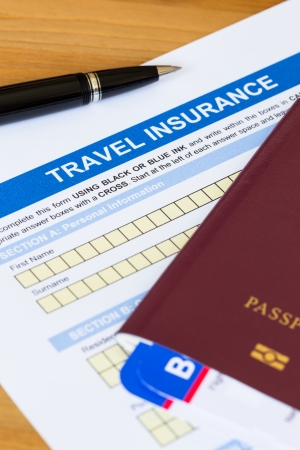
Understanding Pre-existing Conditions
When it comes to travel insurance in the UK, one of the most confusing aspects for families and individuals alike is what actually counts as a pre-existing medical condition. The term itself often causes unnecessary worry and leads to many misconceptions about eligibility and cover. In simple terms, a pre-existing condition refers to any illness, injury, or health issue that you have received advice, medication, or treatment for before arranging your travel insurance policy. This could include chronic conditions such as asthma, diabetes, high blood pressure, or even past surgeries. Insurers in the UK typically assess your medical history by asking specific questions about your health over the past two to five years, depending on the policy provider. They may ask about hospital visits, ongoing prescriptions, or any referrals to specialists. It’s important for travellers to be honest and thorough during this process, as failing to disclose a condition—even one you might consider minor—could affect your claim later. For families planning holidays or older travellers looking forward to retirement adventures, understanding what insurers mean by “pre-existing” helps avoid last-minute surprises and ensures everyone is covered properly.
2. Travel Insurance Basics in the UK
Understanding how travel insurance works in the UK is crucial, especially when it comes to pre-existing medical conditions. For most UK residents, taking out travel insurance involves a straightforward process, but local terminology and procedures can sometimes cause confusion. Heres an overview tailored to British travellers:
Key Terms Used by UK Insurers
| Term | Meaning |
|---|---|
| Pre-existing Condition | A medical condition you were aware of, had symptoms of, or received treatment for before buying your policy. |
| Single Trip Cover | Insurance valid for one specific trip abroad. |
| Annual Multi-trip Cover | Covers multiple trips within a 12-month period, often preferred by frequent travellers. |
| Excess | The amount you pay towards a claim before your insurer pays the rest. |
| Mental Health Conditions | Many policies now specifically mention cover (or exclusions) for mental health-related issues. |
The Standard Process for UK Residents
- Comparison & Selection: Most people start by comparing policies online through aggregators like MoneySuperMarket or Compare the Market, focusing on what’s covered, including medical conditions.
- Disclosure: Applicants must declare all relevant pre-existing conditions. Failing to do so can invalidate the policy.
- Screening: Many insurers use an online or telephone-based medical screening tool. Expect questions about recent hospital visits, ongoing prescriptions, and stability of your condition.
- Confirmation & Payment: Once all information is provided and accepted, you’ll receive policy documents detailing inclusions and exclusions.
- Emergency Contacts: Policies typically provide a 24/7 emergency helpline number for use abroad—an essential lifeline if you need medical help while travelling.
Why This Matters for Families
If youre travelling as a family, its vital that every members health is declared—even children’s mild asthma or allergies can affect cover. For example, my neighbours family once overlooked her sons seasonal hay fever when taking out travel insurance for a Spanish holiday. When he needed treatment overseas, their claim was delayed due to incomplete disclosure—an experience many British families can relate to.
The Local Difference: UK vs Other Countries
A distinct feature of UK travel insurance is the emphasis on full disclosure and upfront screening. Compared with some other countries where policies are more generic, UK providers typically tailor cover based on your personal health profile—making honesty at application time especially important. By understanding these basics, you can avoid common pitfalls and ensure peace of mind for your next family adventure abroad.
3. Myth: All Pre-existing Conditions Are Automatically Excluded
It’s a common worry among many UK families that having a pre-existing medical condition means you’re instantly ineligible for travel insurance. However, this simply isn’t the case. In reality, most travel insurers in the UK understand that pre-existing conditions are part and parcel of life, especially as we get older or manage long-term health issues within our families. What matters is how these conditions are managed and disclosed during the application process.
For example, take the case of Mrs. Thompson from Manchester, who has well-controlled type 2 diabetes. When she planned her family holiday to Spain, she assumed she wouldn’t qualify for any affordable travel insurance because of her medical history. After speaking with a specialist broker, she found several UK insurers who were willing to cover her condition as long as she provided up-to-date medical information and paid a small additional premium. Her experience highlights that being open and honest about your health doesn’t automatically lead to exclusion—many policies offer tailored cover based on individual circumstances.
It’s important for travellers to know that the definition of “pre-existing” can differ between insurers. Some policies may exclude certain serious or unstable conditions, but others will assess each case individually. For instance, Mr. Patel from Birmingham was initially declined by one insurer due to his previous heart surgery but secured comprehensive cover after shopping around and completing a detailed medical screening with another provider. This shows that persistence and full disclosure can open more doors than you might think.
So, rather than assuming your condition is an automatic red flag, it’s worth taking the time to compare options, consult with brokers who specialise in medical travel insurance, and gather recent documentation from your GP if needed. It’s all about finding a policy that fits your unique situation—something entirely possible within the UK insurance market today.
4. Myth: Declaring Conditions Always Increases Premiums Unfairly
Many UK families worry that honestly declaring a pre-existing condition will result in an unfair spike in their travel insurance premiums. This misconception often leads to under-disclosure, which can create much bigger problems down the line. In reality, insurance providers use a combination of factors to calculate your premium, and transparency plays a key role in protecting you and your loved ones.
How Are Premiums Actually Calculated?
Premiums are not simply raised at random if you declare a health issue. Insurers assess the risk based on:
| Factor | How It Affects Premiums | Example (UK Family Scenario) |
|---|---|---|
| Type of Condition | Some conditions have low impact on premiums if well-managed. | A mum with controlled asthma may see little or no increase. |
| Recent Hospitalisations | Frequent or recent hospital visits suggest higher risk. | Dad was admitted for heart issues last month; this may raise costs. |
| Medication and Treatment Stability | If medication is stable and regular check-ups are kept, risk is lower. | A grandparent’s diabetes controlled by diet may not affect the quote as much as uncontrolled diabetes. |
| Planned Activities Abroad | Risky activities (like skiing) can affect costs regardless of medical history. | The family plans a walking holiday in Cornwall – low risk. |
Why Honest Disclosure Matters
The British insurance market values trust and fairness. If you withhold information about a pre-existing condition and need medical help abroad, your insurer could refuse to pay out, leaving your family exposed to substantial bills. For example, the Smith family from Manchester declared Dad’s mild hypertension when buying cover for their annual trip to Spain. Their premium increased only slightly, but when he needed to see a GP for unrelated stomach trouble, their claim was processed without hassle because they had been upfront from the start.
Key Takeaway for UK Families
Declaring conditions doesn’t always mean sky-high premiums. By being honest, you ensure your family’s safety and financial protection while travelling – and you’ll likely find that insurers are fairer than many believe.
5. Myth: NHS Coverage Extends Abroad
One of the most common misunderstandings among UK travellers is the belief that NHS entitlements offer protection and healthcare coverage when they are outside the country. It’s an easy mistake to make, especially for families who are used to relying on the NHS for all their health needs at home. However, it’s important to clarify that the NHS is designed strictly for residents within the UK and does not extend its benefits beyond British borders.
For instance, many people assume that if they fall ill or face a medical emergency during a family holiday in Spain or France, they can simply present their NHS card and receive treatment free of charge. In reality, this is not the case. While some reciprocal agreements exist—such as access to certain state-provided healthcare with a valid Global Health Insurance Card (GHIC) in select European countries—these arrangements are limited. The GHIC, for example, will only cover basic state healthcare, which may not include all services or repatriation costs, and does not replace comprehensive travel insurance.
This misconception can lead to significant financial risk for families travelling with members who have pre-existing conditions. If a child with asthma, for example, requires urgent care abroad, parents may find themselves facing unexpected medical bills if they have not arranged proper travel cover that specifically includes pre-existing conditions. Even something as simple as needing medication for a chronic illness can become complicated—and costly—without adequate insurance.
UK families should always remember that their best protection lies in arranging suitable travel insurance before leaving home. This means disclosing any pre-existing conditions during the application process and making sure the policy covers these specific needs. Relying solely on NHS entitlements or assuming you’ll be looked after abroad can turn a dream trip into a logistical and financial headache.
6. Getting Covered: Tips for UK Travellers with Medical History
Finding the right travel insurance when you or a family member has a pre-existing medical condition can feel overwhelming, but it doesn’t have to be. Here are some practical steps and advice tailored for UK travellers to help you secure the right cover and travel with peace of mind.
Start Early and Get Organised
Begin your search for travel insurance well in advance of your trip. Insurers often require detailed information about your medical history, so gather all relevant documents, including recent GP letters, hospital discharge notes, and a list of current medications. Having these ready will save time and ensure you provide accurate information—critical for valid cover.
Know What to Disclose
Always be honest about your medical history. In the UK, not declaring all pre-existing conditions—even ones that seem minor—can invalidate your policy. If in doubt, check the insurer’s definition of “pre-existing conditions” as this can vary between providers. It’s better to over-disclose than risk being caught out during a claim.
Questions to Ask Insurers
- Does the policy cover my specific conditions?
- Are there any exclusions related to my medication or treatment?
- What is the process if I need emergency care abroad?
- How do claims work if my trip is disrupted due to health issues?
- Is repatriation included if I become seriously ill overseas?
Asking these questions helps clarify any grey areas and ensures you’re fully aware of what’s covered.
Navigating Comparison Sites Like a Pro
Comparison sites are popular in the UK for finding travel cover, but not all sites screen for medical conditions equally. Use reputable sites such as MoneySuperMarket or Compare the Market, and always double-check the policy details on the insurer’s own website before purchasing. Look for specialist insurers who focus on covering pre-existing conditions; sometimes they offer more comprehensive options than mainstream providers.
Family Application Tips
If you’re travelling as a family, consider whether it’s best to take out a group policy or individual covers—sometimes it’s cheaper and more flexible to tailor policies based on each person’s health needs. Double-check that children’s conditions (like asthma or allergies) are declared too.
Final Thought
Shopping for travel insurance with a medical history in the UK is about preparation and transparency. Take your time, ask direct questions, use trusted resources, and don’t be afraid to ring up insurers if anything is unclear. This way, you can focus on making family memories rather than worrying about “what ifs”.