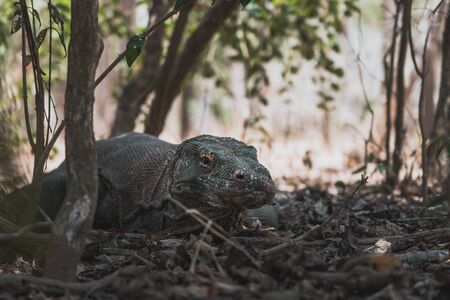
Introduction to Exotic Pet Insurance in the UK
Exotic pet insurance is becoming increasingly popular among pet owners across the UK, especially as more people choose to care for animals beyond the usual cats and dogs. This type of cover is designed specifically for pets like reptiles, birds, amphibians, and small mammals—species that often require specialised veterinary care. Unlike standard pet insurance, exotic pet policies can help with unique risks such as rare illnesses, specialist treatments, and even alternative therapies that are tailored to less common animals. With veterinary costs rising and greater awareness of responsible pet ownership, more Brits are seeking out insurance options that can protect both their beloved pets and their wallets from unexpected expenses. In this article, well explore what determines the cost of exotic pet insurance and why its become a must-have for many UK households.
Types of Exotic Pets Commonly Insured
When discussing the cost of exotic pet insurance in the UK, it’s essential to first understand which animals are actually considered ‘exotic’ by insurers and are typically eligible for coverage. In the UK, the term ‘exotic pet’ generally refers to animals that are not cats, dogs, or traditional farm animals. Instead, it includes a diverse range of species that require special care and attention.
What Counts as an Exotic Pet in the UK?
Insurance providers in the UK commonly group exotic pets into several categories. Below is a table summarising which animals usually fall under this definition and are often eligible for insurance:
| Category | Examples |
|---|---|
| Reptiles | Snakes (e.g., pythons, corn snakes), lizards (e.g., geckos, bearded dragons), tortoises, turtles |
| Birds | Parrots (e.g., African grey, macaws), cockatoos, canaries, finches, budgerigars |
| Small Mammals | Rabbits, ferrets, guinea pigs, chinchillas, hedgehogs, degus |
| Amphibians | Frogs, newts, salamanders, axolotls |
| Other Exotics | Invertebrates (e.g., tarantulas, scorpions), sugar gliders, micro pigs (where legal) |
A Few Points to Note About Eligibility
Not all insurance companies cover every exotic species; some may restrict cover to more commonly kept exotics such as parrots or reptiles. Rare or dangerous animals (like venomous snakes or large primates) may be excluded altogether due to higher risk factors.
Why Does This Matter for Your Premium?
The type of exotic pet you own plays a significant role in determining your insurance premium. Generally, animals that are rarer, require specialist veterinary care, or have longer lifespans tend to attract higher premiums. For example, insuring a parrot can be more expensive than a guinea pig because parrots live longer and may need more complex medical attention.

3. Key Factors Affecting Your Premium
When it comes to exotic pet insurance in the UK, several main factors influence how much you’ll end up paying for your premium. Understanding these can help you make informed choices and potentially save money on your policy. Let’s break down the most important considerations:
Species of Your Exotic Pet
The type of animal you own has a major impact on your insurance cost. For example, parrots, reptiles, ferrets, and small mammals all come with different levels of risk and care requirements. Insurers often charge higher premiums for species that are rare, difficult to treat, or prone to specific health problems. So, owning a macaw or a chameleon might cost more to insure than a rabbit or guinea pig.
Age of the Pet
Just like with cats and dogs, the age of your exotic pet plays a crucial role in determining your premium. Younger animals generally attract lower premiums because they’re less likely to have pre-existing conditions. As pets get older, the risk of illness or injury increases, which means higher insurance costs.
Health Condition
If your exotic pet has existing health issues or a history of medical problems, insurers may either raise your premium or exclude certain conditions from cover. Healthy pets with no prior illnesses are usually cheaper to insure, so it’s wise to get insurance while your pet is still young and fit.
Your Location in the UK
Where you live can also affect your premium. Vets’ fees can vary widely between regions—for instance, London and the South East often have higher veterinary costs compared to other parts of the UK. Insurers take these differences into account when pricing policies, so your postcode can make a difference to how much you pay each month.
Other Contributing Factors
Beyond these main points, insurers might also consider things like how long you’ve owned your pet, whether they’re kept indoors or outdoors, and if you’ve made previous claims. Every insurer has their own way of assessing risk, so it pays to shop around and compare quotes.
Bottom Line
In summary, the cost of exotic pet insurance in the UK isn’t one-size-fits-all. It depends on a mix of factors including species, age, health, and location—plus a few extra details unique to each insurer. Knowing what affects your premium puts you in a stronger position to find the right cover at the best price for your unique companion.
4. Comparison with Traditional Pet Insurance
When considering exotic pet insurance in the UK, it’s important to understand how these policies differ from traditional pet insurance typically designed for cats and dogs. Both types offer financial protection for veterinary care, but there are key distinctions in coverage options, pricing, and eligibility.
Policy Differences
Traditional pet insurance for cats and dogs is well-established, with standardised cover levels such as accident-only, time-limited, maximum benefit, and lifetime policies. In contrast, exotic pet insurance often provides more bespoke or limited cover due to the specialised needs of animals like reptiles, birds, and small mammals. Exotics may not be eligible for comprehensive lifetime plans and might have more exclusions related to pre-existing conditions or species-specific illnesses.
Typical Coverage Comparison
| Feature | Cats & Dogs | Exotic Pets |
|---|---|---|
| Standard Policy Types | Accident-only, Time-limited, Maximum Benefit, Lifetime | Bespoke/Restricted Cover (often Accident & Illness only) |
| Routine Care Included? | Rarely included; available as add-on | Rarely offered; focus on emergencies |
| Vets Network | Most UK vets accept claims | Limited; only specialist exotics vets covered |
| Pre-existing Conditions | Usually excluded or require extra premium | Often strictly excluded; fewer exceptions |
| Claims Process | Straightforward with standard forms | May require extra documentation for species-specific treatments |
Premium Differences
The cost of insuring an exotic pet is generally higher than for a cat or dog. This reflects factors like the rarity of qualified vets, higher costs for specialised treatments, and the unique risks associated with exotic species. Additionally, fewer insurers offer exotic pet cover in the UK, so there is less competition to drive down prices.
Example Premium Range (Monthly)
| Pet Type | Average Premium (£) | Main Factors Affecting Cost |
|---|---|---|
| Cat/Dog (Standard Breed) | £10–£30 | Age, breed, location, policy type |
| Lizard/Parrot/Rabbit (Exotic) | £20–£50+ | Species rarity, required vet expertise, health risks |
Cultural Considerations in the UK Market
The British approach to pet ownership places a strong emphasis on animal welfare and access to veterinary care. While cat and dog insurance is widely marketed and understood across the UK, exotic pet owners often need to educate themselves about their specific responsibilities and potential costs. As such, seeking advice from specialist insurers or avian/exotic veterinary practices is recommended before committing to a policy.
5. Additional Costs and Exclusions
When considering exotic pet insurance in the UK, it’s important to look beyond the basic premium. Many policies include additional costs and exclusions that can impact your overall expenditure. Below, we break down what you need to watch for.
What Might Not Be Covered?
Insurance providers often have a list of exclusions—situations or conditions they won’t pay out for. Common exclusions include pre-existing medical conditions, routine check-ups, dental care, and elective procedures. If your exotic pet has already shown symptoms of an illness before you take out the policy, treatment for that condition is unlikely to be covered. Similarly, certain species or breeds may be excluded entirely due to higher risk factors.
Optional Add-ons
To fill gaps in standard cover, insurers offer optional add-ons. These might include cover for third-party liability (if your pet causes damage or injury), overseas travel protection (handy if you’re taking your parrot on holiday), or coverage for alternative therapies and behavioural treatments. Adding these extras increases your premium, so weigh up what’s necessary based on your pet’s lifestyle and needs.
Hidden Fees and Excesses
Aside from obvious costs, keep an eye out for hidden fees and policy excesses—the amount you pay towards each claim. Some policies have fixed excesses, while others use a percentage-based system (often called co-insurance), especially for older pets. There may also be administration charges for making changes to your policy or cancelling early. Always check the fine print to avoid surprises later on.
Understanding the Full Picture
In summary, while your quoted premium is a major factor, the true cost of insuring an exotic pet in the UK includes potential exclusions, optional add-ons tailored to your needs, and any hidden fees or excess payments. Reading policy documents thoroughly and asking questions upfront can help you budget accurately—and avoid disappointment if you ever need to make a claim.
6. Tips for Saving on Exotic Pet Insurance
If you’re keen to keep your exotic pet insurance costs manageable in the UK, there are several smart strategies you can use to lower your premium without losing out on essential cover. Here’s a breakdown of practical, UK-specific tips:
Shop Around and Compare Policies
Don’t just settle for the first quote you receive. Use comparison websites popular in the UK, such as Comparethemarket or MoneySuperMarket, to see a range of providers and policy options. This helps you identify which insurer offers the best value for your particular type of exotic pet.
Choose the Right Level of Cover
It’s tempting to go for the most comprehensive plan, but sometimes you’re paying for extras you don’t need. Assess what’s truly necessary—does your parrot really need loss or theft cover, or would vet bills protection suffice? Tailoring your policy ensures you’re not over-insured.
Consider Paying Annually
Many UK insurers offer a discount if you pay your premium in one annual lump sum rather than monthly instalments. This can shave a noticeable amount off your total yearly cost, though it does require more upfront budget planning.
Increase Your Excess
By agreeing to pay a higher excess (the amount you contribute towards each claim), insurers often reduce your premium. Just make sure the excess is still affordable if you do need to claim.
Keep Your Pet Healthy
Maintaining regular health checks and vaccinations can sometimes lead to lower premiums, as insurers may see your pet as less risky. Plus, some policies reward responsible ownership with no-claims bonuses over time.
Bundle Policies Where Possible
If you have multiple pets (even if they aren’t all exotic), some insurers offer multi-pet discounts when policies are bundled together. Always ask about this option—it’s common practice in the UK market.
Check for Exclusions and Read the Small Print
Savvy UK pet owners always review their policy documents carefully to avoid paying for exclusions or hidden fees that could catch them out later. Understanding exactly what’s covered ensures you’re only paying for what’s needed and helps prevent costly surprises down the line.
By applying these UK-focused tips, you can keep your exotic pet protected while making sure your insurance remains budget-friendly and tailored to your needs.
7. Conclusion: Making an Informed Choice
Choosing the right exotic pet insurance in the UK can seem daunting, but understanding what drives your premium is the first step towards peace of mind. Factors like species, age, health, location, and the type of cover you select all play a crucial role in determining costs. Remember, exotic pets—from parrots to reptiles—often require specialised care, so not every policy will suit your animal’s unique needs. To make an informed decision, start by listing your pet’s specific risks and healthcare requirements. Compare policies from reputable UK insurers, paying close attention to what’s included and any exclusions, especially for routine care or pre-existing conditions. It’s wise to check customer reviews, claims processes, and whether the insurer has experience with your type of pet. Don’t just focus on the monthly or annual price; look at excess amounts and coverage limits, as cheaper policies may leave you underinsured when it matters most. Finally, ask questions if you’re unsure—UK providers should be transparent and willing to clarify terms. By weighing up all these elements, you can select a policy that protects both your pet and your wallet, ensuring your exotic companion receives the best possible care without unexpected financial stress.


